

Track: Palliative & Supportive Oncology Care
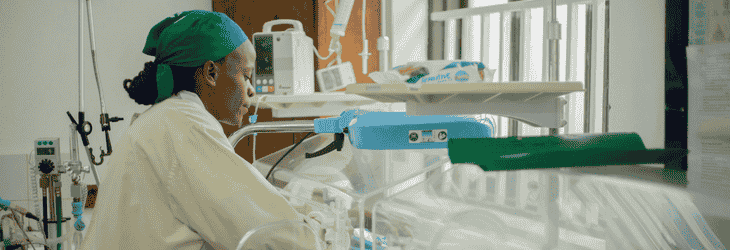
The session on Palliative & Supportive Oncology Care emphasizes a patient-centered approach, ensuring that symptom control and quality of life are prioritized alongside life-prolonging treatments. The foundation of the session is the Rationale for Early Integration in the Cancer Trajectory. Speakers will present evidence from landmark trials demonstrating that introducing palliative care at the time of diagnosis, even for patients receiving curative treatment, leads to improved symptom burden, enhanced quality of life, and often, better survival outcomes, dispelling the myth that it is reserved only for end-of-life care.
A major practical component is dedicated to the Advanced Management of Cancer-Related Pain (CRCP). This covers a multidisciplinary approach, including optimal opioid stewardship, the use of adjuvant analgesics and interventional techniques to ensure pain control is comprehensive and individualized. This leads to the assessment and treatment of Cancer-Related Fatigue (CRF), the most common and debilitating symptom. Experts will review diagnostic criteria and present non-pharmacological interventions, primarily supervised exercise, as the most effective strategy for managing CRF.
We will also cover the Effective Management of Gastrointestinal Symptoms, including chemotherapy-induced nausea, vomiting, and constipation, providing updated antiemetic guidelines and bowel management protocols.
The session places significant emphasis on humanistic aspects, detailing Communication Skills for Prognosis and Goals of Care. Providers will receive training on conducting sensitive conversations about prognosis, facilitating shared decision-making, and ensuring treatment plans align with the patient’s values and preferences.
Finally, the session addresses the holistic impact of cancer by Addressing Psychosocial, Spiritual, and Financial Distress. Speakers will discuss screening tools for anxiety and depression and the critical role of social workers, chaplains, and financial navigators in the care team.
This extends to Caregiver Burden and Support Strategies, recognizing that caregivers often suffer emotional and physical distress. Providing resources and support to caregivers is essential for the sustainability of patient care at home and is a core responsibility of supportive oncology teams.
Scientific Highlights
- Cancer Research
- Types of Cancer
- COVID 19 Impact on Cancer
- Screening & Diagnosis for Cancer
- Cancer Biology and Genetics
- Theraphies for Cancer Treatment
- Cancer and Oncology Nursing
- Molecular Pathways and Signaling
- Breast Cancer and Treatments
- HER2 Positive Breast Cancer
- Breast Cancer Surgery
- Radiology and Oncology
- Oncology Nursing & Patient Care Models
- Palliative & Supportive Oncology Care
- Advances in Breast Cancer Immunotherapy
- Liquid Biopsies in Early Cancer Detection
- Robotic Assisted Breast Cancer Surgery
- Triple Negative Breast Cancer (TNBC)
- Genomics and Cancer Biomarkers
- Artificial Intelligence in Cancer Prognosis
- Precision Onco-Urology
- Supportive & Integrative Cancer Care

Organization Location
1309 Coffeen Avenue, STE 1200, Sheridan, Wyoming 82801, USA
General Enquiry
contact@scientexconferences.com
Finance Enquiry
finance@scientexconferences.com
Call us at
: (+1) 332 322 7161